Введение продукта
При массовом производстве коммерческих напитков и консервированных потребительских товаров выбор основы с высокой степенью целостности имеет решающее значение для обеспечения долгосрочной безопасности контейнера, герметичной герметизации и полной изоляции продукта. Наша специализированная линия продукции в рулонах жести специально разработана для удовлетворения строгих требований автоматизированных, высокоскоростных операций по консервированию напитков и пищевых продуктов во всем мире. Используя передовую технологию непрерывного электролитического осаждения, низкоуглеродистые холоднокатаные стальные полосы равномерно соединяются с защитным слоем металлического олова высокой чистоты. Это точное сочетание материалов создает надежную многослойную защитную систему, которая обеспечивает стойкость к проколам конструкционной стали наряду с инертными химическими свойствами чистого олова.
Эта металлическая подложка, разработанная непосредственно для использования в качестве надежного материала для пищевых банок, обеспечивает полный барьер против внешней атмосферной влаги, воздействия света и проникновения кислорода. Оловянная поверхность подвергается специальной химической пассивации, которая создает инертный внешний поверхностный слой. Это предотвращает удаление кислоты, поверхностное окисление и химическую миграцию в чувствительные жидкости или съедобное содержимое. Независимо от того, превращается ли этот материал в банки для газированных напитков, двухсекционные вытянутые контейнеры, трехсекционные банки для пищевых продуктов или легко открывающиеся крышки, он сохраняет точный вкусовой профиль, естественный цвет и питательный состав упакованных товаров на протяжении всего жизненного цикла цепочки поставок.
Свойства материала и возможности настройки
Различные рецептуры напитков, локализованные температуры обработки и автоматизированные линии розлива требуют определенных параметров материала и физической формы. Чтобы удовлетворить эти разнообразные требования, мы предлагаем комплексные услуги по индивидуальной настройке, начиная от основных свойств необработанной стали и заканчивая конечными текстурами поверхности. Покупатели могут запросить индивидуальные химические конфигурации, различные механические классы закалки и индивидуальное распределение оловянного покрытия, разработанное в соответствии с их точной геометрией контейнера и требованиями к штамповке.
Наши передовые производственные мощности оснащены мощными ротационными станками для продольной резки и компьютеризированными линиями правки натяжения. Это оборудование позволяет нам перерабатывать большие непрерывные основные рулоны в узкие ленты с прорезями или точные прямоугольные листы в соответствии со спецификациями вашей производственной линии. Для применений, требующих дополнительной внутренней химической защиты, мы предлагаем дифференциальные оловянные покрытия, позволяющие выбрать более тяжелое оловянное покрытие внутри для устойчивости к агрессивным жидкостям и более легкое и экономичное покрытие снаружи для экономичной защиты от атмосферной ржавчины. Мы также предлагаем специализированные текстуры поверхности — от глянцевых поверхностей для четкой литографической графики бренда до матовых, которые уменьшают износ инструмента во время операций высокоскоростной штамповки.
Таблица технических характеристик
| Металлургический параметр | Стандарты технических характеристик и доступный диапазон |
| Базовая форма материала | Электролитическая жесть (SPTE) / сталь без олова (TFS) |
| Основной структурный формат | Непрерывные рулоны без разрезов/катушки с прецизионными разрезами |
| Толщина Размеры | 0,14 мм – 0,45 мм |
| Возможности ширины катушки | 600 мм – 1050 мм |
| Внутренний диаметр катушки | 508 мм/610 мм |
| Масса оловянного покрытия (г/м²) | 1,1/1,1, 2,2/2,2, 2,8/2,8, 5,6/5,6, 2,8/5,6 |
| Профили отделки поверхности | Яркая отделка, каменная отделка, серебристая отделка, матовая отделка |
| Класс твердости и закалки | Т1, Т2, Т3, Т4, Т5, ДР8, ДР9, ДР10 |
| Производственные стандарты | АСТМ А623, ЭН 10202, ДЖИС Г3303 |

Почему лидеры отрасли сотрудничают с нами
Мировые бренды напитков, контрактные упаковочные компании и производители металлической тары сотрудничают с нами, потому что мы обеспечиваем стабильное качество от партии к партии, точные профили механической формы и надежную логистическую безопасность. Мы управляем всей производственной цепочкой от рулонов холоднокатаной стали до поставок в упаковке на экспорт. Наши системы выравнивания натяжения гарантируют, что каждый рулон белой жести имеет чистые края и однородную толщину, что полностью исключает застревание при подаче, минимизирует износ инструментов и снижает процент брака на автоматизированных высокоскоростных линиях волочения и закатки.
Наше внимание к повышенной коррозионной стойкости и строгим протоколам испытаний обеспечивает надежную работу в сложных упаковочных условиях. Мы используем автоматизированное оборудование оптического обнаружения для проверки однородности покрытия, уровня химической пассивации и баланса масла на поверхности, прежде чем какой-либо продукт будет одобрен к отправке. Наша многослойная упаковка для морской транспортировки защищает металлическую поверхность от соленого воздуха и влажности окружающей среды, предотвращая появление ржавчины при транспортировке. Выбирая наши материалы, производители могут максимизировать скорость автоматизированного производства, повысить выход материала и обеспечить предсказуемую цепочку поставок для своих современных линий консервирования.
Часто задаваемые вопросы (FAQ)
Вопрос 1: Почему катушка из электролитической жести предпочтительнее стандартной стали для упаковки банок для напитков и пищевых продуктов?
A1: Необработанная сталь очень уязвима к влаге, кислороду и органическим кислотам, которые вызывают быстрое образование ржавчины и загрязнение пищевых продуктов. Наша рулонная жесть имеет слой олова высокой чистоты и неорганическую пассивацию, которая изолирует сердечник из необработанной стали. Такая конструкция блокирует химические реакции с жидкими напитками или влагой окружающей среды, сохраняя как контейнер, так и его содержимое полностью неповрежденными.
Вопрос 2: Соответствует ли этот материал глобальным рекомендациям по использованию в качестве материала для консервных банок?
А2: Да, абсолютно. Во всех наших производственных процессах используется металлическое олово высокой чистоты, и мы придерживаемся строгих металлургических стандартов, отвечающих глобальным требованиям к упаковке пищевых продуктов, включая параметры ISO 11950 и ASTM. Нетоксичная поверхность предотвращает миграцию металлов, что делает ее полностью пригодной для прямого контакта с соками, газированными напитками, пивом и фруктовыми консервами.
Вопрос 3: Как дифференциальное оловянное покрытие помогает оптимизировать производственные затраты на банки для напитков?
A3: При дифференциальном покрытии на каждую сторону стальной подложки наносится олово двух разных весов (например, 2,8 г/м² с одной стороны и 5,6 г/м² с другой). Это позволяет разместить более толстый слой внутри контейнера для работы с жидкими составами или внутренним давлением, а также использовать более легкий слой снаружи для эффективной и экономичной защиты от атмосферной ржавчины.
В4: Какие защитные меры используются для предотвращения ржавчины и повреждения кромок во время морской перевозки?
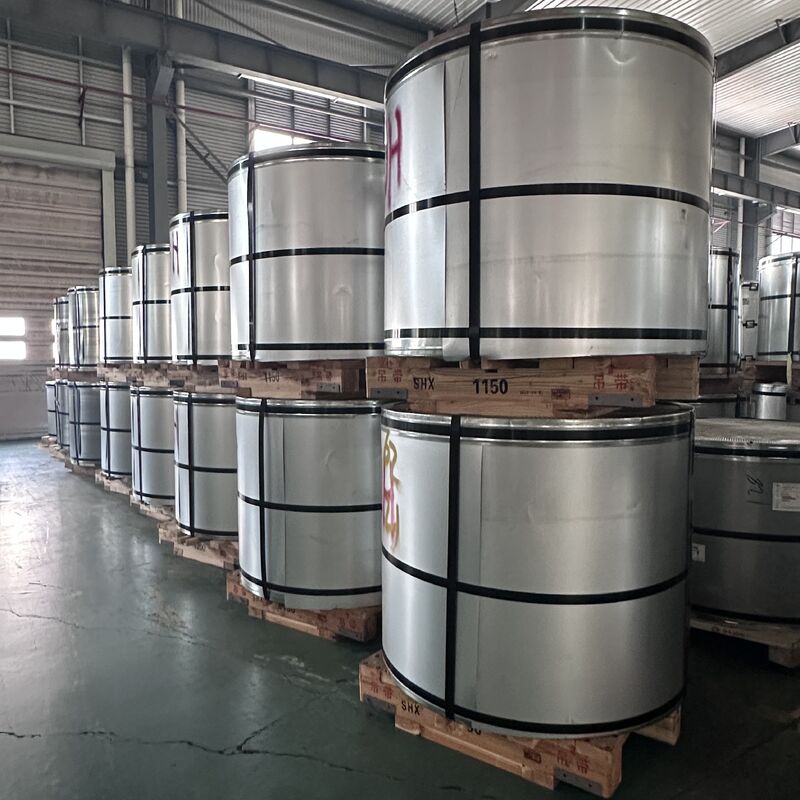
A4: Каждая катушка обернута сверхпрочным влагозащитным барьером из ингибитора паровой коррозии (VCI), полностью покрыта защитной внешней оболочкой из конструкционной стали и закреплена высокопрочными стальными лентами. Затем их плотно фиксируют на усиленных деревянных полозьях, готовых к экспорту, чтобы они были доставлены сухими, чистыми и полностью свободными от ржавчины на ваше производство.


 Ваше сообщение должно содержать от 20 до 3000 символов!